

— OCCUPATIONAL THERAPY
Occupational Therapy in Doha, Qatar
Individualized, evidence-based occupational therapy supporting children with sensory, motor, functional and everyday participation needs.
At Child Development Center, our Occupational Therapy services are tailored to each child's individual strengths, needs and goals. Our Occupational Therapists work collaboratively with families, caregivers, schools and the multidisciplinary team to support meaningful participation and independence in everyday life.
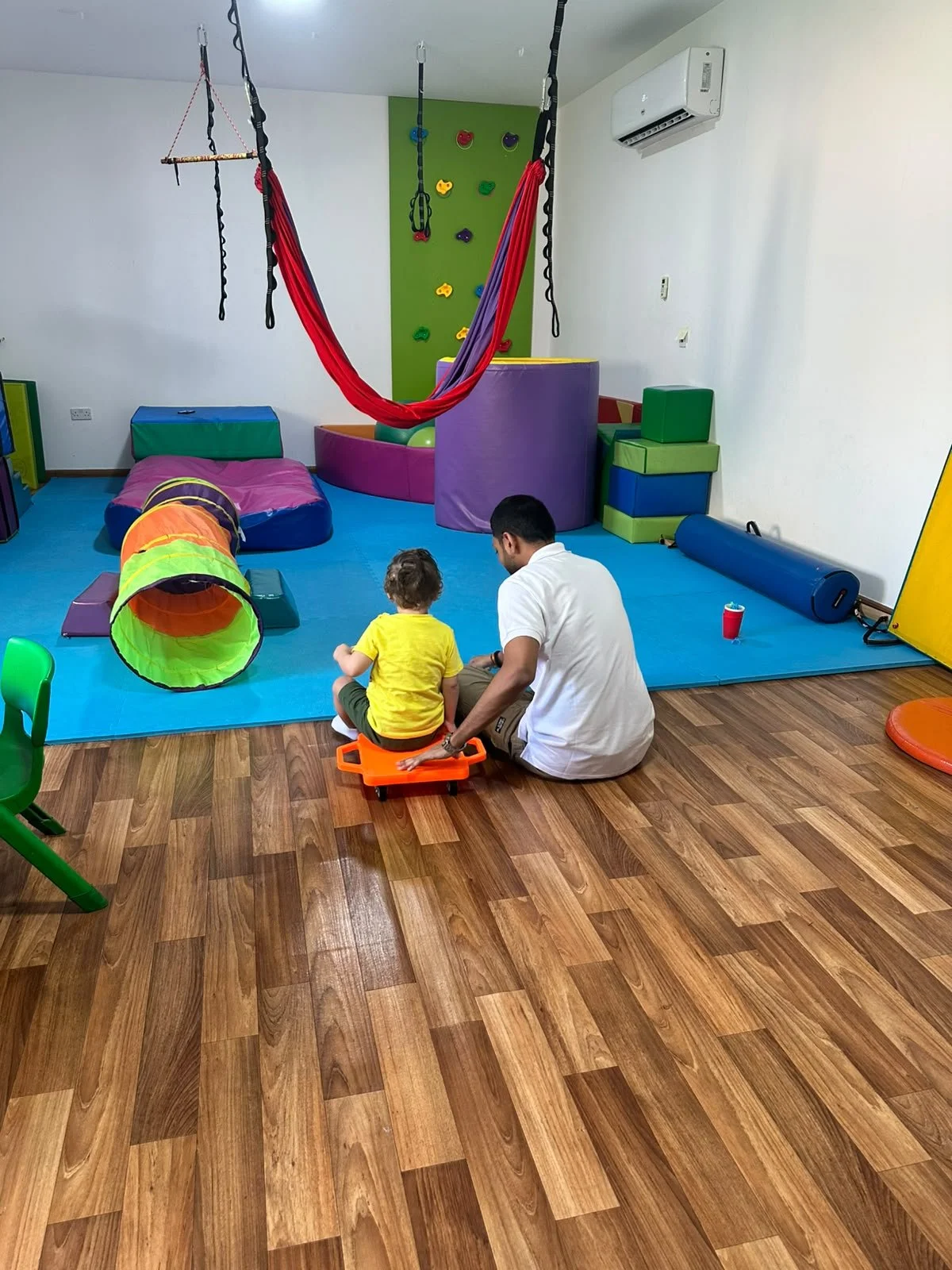
At CDC, occupational therapy begins with understanding each child's individual strengths, functional abilities, sensory processing and motor needs. Following assessment, our Occupational Therapists develop meaningful goals together with families and, where appropriate, the child's wider multidisciplinary team.
Therapy may focus on sensory processing and regulation, fine and gross motor skills, coordination, handwriting, self-care, school participation and everyday independence, depending on the child's individual needs.
Our approach is individualized, evidence-based and designed to help children participate more successfully and independently across home, school and everyday environments.
Our Approach to Occupational Therapy
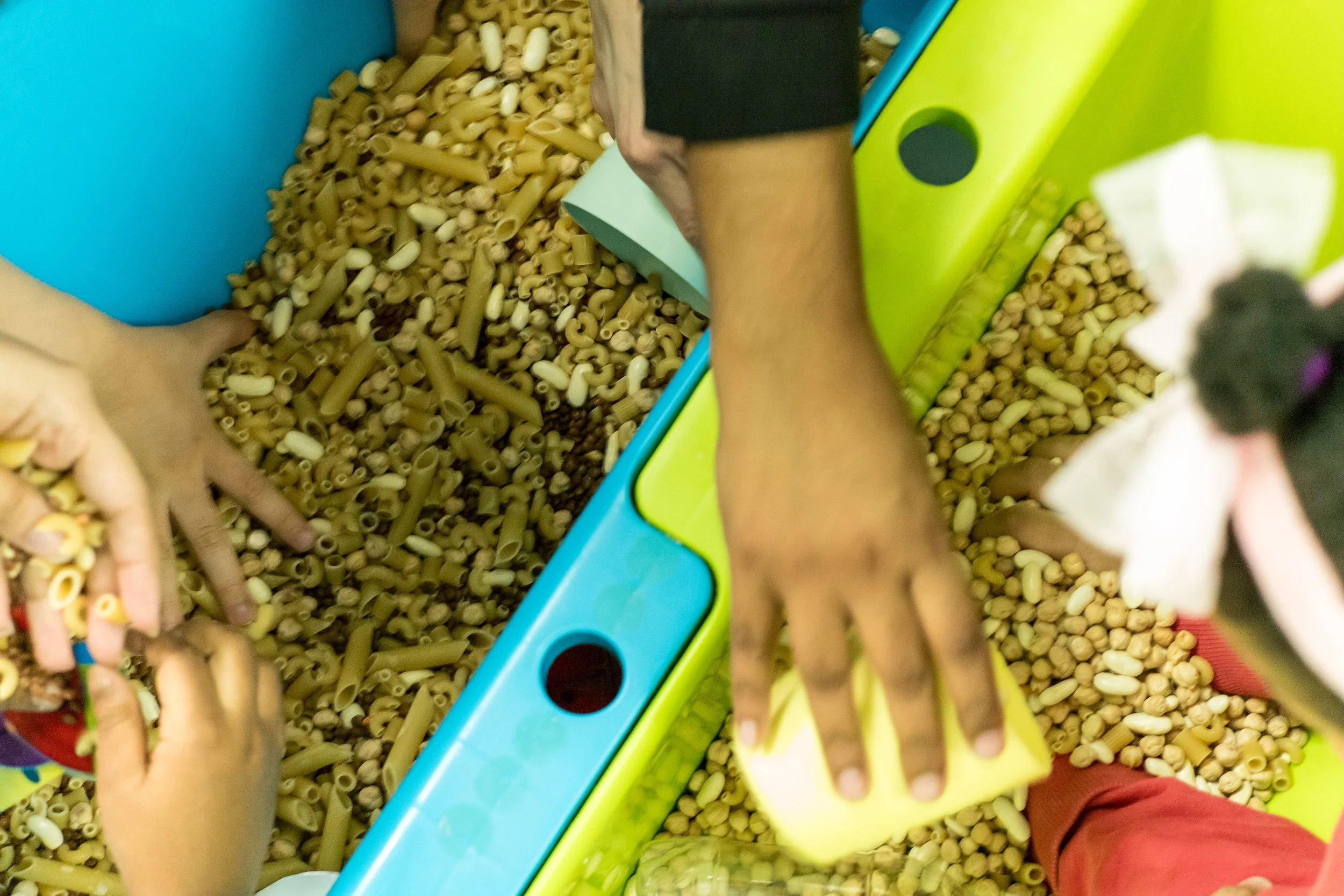
Who Can Benefit from Occupational Therapy?
Occupational therapy may support children and adolescents who experience challenges with sensory processing, motor skills, coordination, self-care, school participation or everyday independence. Support is individualized according to each child's strengths, developmental needs and daily environments.
Sensory Processing & Regulation
Supporting children to respond to sensory experiences and participate more comfortably in everyday activities.
Fine Motor Skills
Developing hand strength, coordination and dexterity for play, learning and everyday tasks.
Gross Motor & Coordination
Supporting balance, body awareness, coordination and motor planning.
Self-Care & Independence
Building skills for dressing, feeding, personal care and everyday routines
Handwriting & School Skills
Supporting handwriting, classroom participation and functional skills needed for learning.
Family & School Support
Helping caregivers and educators use consistent strategies across home, school and everyday environments
How Occupational Therapy Works at CDC
01 — Assessment & Understanding
We begin by understanding the child's strengths, functional abilities, sensory processing, motor skills and everyday needs through assessment, observation and discussion with the family.
02 — Individualized Goals
Meaningful and measurable goals are developed around the child's sensory, motor, self-care, school participation and everyday independence needs.
03 — Individualized Therapy
Occupational therapy sessions are delivered according to the child's individual program, using evidence-based approaches and strategies appropriate to their developmental and functional needs.
04 — Progress, Collaboration & Review
Progress is monitored regularly and goals are adjusted as the child develops. Families, caregivers, schools and other members of the multidisciplinary team are involved when appropriate.
Parent and caregiver involvement is an important part of our approach, helping skills developed in therapy carry over into everyday life.
Why Choose CDC for Occupational Therapy?
Qualified Occupational Therapists
Occupational therapy is delivered by qualified and QDHP-licensed professionals with experience supporting a wide range of developmental and functional needs.
Since 2013, Child Development Center has provided multidisciplinary services for children and families in Qatar, combining evidence-based practice with individualized, collaborative care.
Family-Centered Approach
Parents and caregivers are important members of the team, with guidance and strategies to support progress beyond therapy sessions.
Multidisciplinary Care
Our Occupational Therapists work alongside Speech-Language Pathologists, ABA professionals, Clinical Psychology, Early Intervention and other CDC services when appropriate.
School Collaboration
When appropriate, CDC works with schools and educators to support participation, independence and consistency across environments.
Individualized Therapy
Every child has different strengths, needs and priorities. Therapy is designed around meaningful goals that support participation and independence in everyday life.
Over a Decade in Qatar
Established in Doha in 2013, CDC has supported thousands of children and families and has worked collaboratively across Qatar's education, healthcare and disability community.
Frequently Asked Questions About Occupational Therapy
-
Occupational therapy helps children develop the skills they need to participate more independently in everyday activities. This may include sensory processing, motor skills, self-care, handwriting, play and school participation.
-
A child may benefit from occupational therapy if they experience challenges with sensory processing, fine or gross motor skills, coordination, handwriting, self-care or participation in everyday activities. An occupational therapy assessment can help identify your child's individual strengths and needs.
-
Yes. Occupational therapists can assess sensory processing needs and provide individualized strategies to support regulation, participation and everyday functioning.
-
Yes. Occupational therapy may support handwriting, fine motor skills, classroom participation, organization and other functional skills that affect a child's participation at school.
-
The frequency of therapy depends on your child's individual needs, goals and assessment findings. Our team recommends an appropriate therapy plan and reviews progress regularly.
-
Yes. Families are an important part of the process, and with appropriate consent, CDC can collaborate with schools and educators to help children use their skills across different environments.
Looking for Occupational Therapy in Qatar?
Contact Child Development Center to speak with our team about your child's needs and learn more about our individualized Occupational Therapy services in Doha.